
Did you know that Maricopa County spends roughly $750 million each year on goods, services, and construction? As the 4th largest county in the nation, home to 62% of Arizona’s population, the county purchases everything from physical therapy services and health insurance to radios, tires, gasoline, infrastructure and much more
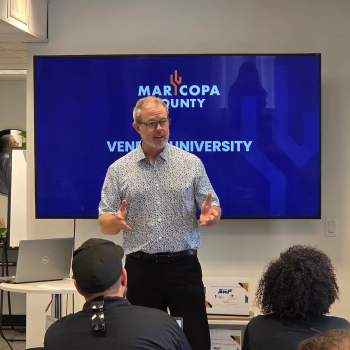
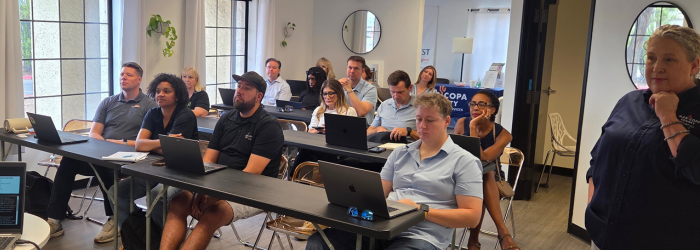
At the recent Vendor University workshop hosted by The CATALYST, a joint initiative between the Gilbert Chamber of Commerce Foundation and Gilbert’s Office of Economic Development that serves as a central hub connecting local businesses to regional growth resources, Maricopa County District One Supervisor Mark Stewart kicked things off by highlighting the immense opportunities available to local enterprises. Following his opening remarks, experts from the Maricopa County Office of Procurement Services including Chief Procurement Officer Kevin Tyne, Procurement Administrator Lisa Bernhardt, and Small Business Advocate Ryan Dixon shared an insider overview of how local vendors can secure county contracts.
Getting Started with Registration and Local Advocacy
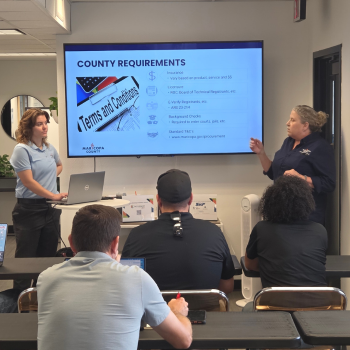
Attendees learned about the fundamental requirement of registering on BidNet Direct, the county's primary e-procurement portal. Because public sector purchasing relies on transparency and open competition, maintaining an active profile with accurate NIGP commodity codes ensures businesses receive timely notifications for upcoming opportunities.
A significant portion of the workshop focused on the Small Business Advocacy Qualification and the county’s commitment to reinvesting tax dollars locally—where currently 52% of county vendors are Arizona-based. The session also highlighted how documentation such as tax filings, employee rosters, and business formation records play a vital role in verifying eligibility for local business preference programs.
Navigating Bids and Post-Award Management
Another key topic covered during the session was the distinction between formal and informal solicitations, including RFQs, IFBs, and RFPs. In addition to navigating these contract types, participants reviewed important bidding guidelines, such as utilizing official Q&A portals, meeting strict system deadlines, and reviewing plan holder lists to explore subcontracting opportunities.
Another important takeaway from the workshop was the importance of proposal quality over volume. Rather than relying on boilerplate responses, successful vendors customize their bids to address explicit county needs, price strategically, and submit well before final closing deadlines to avoid technical issues.
Once a contract is secured, post-award compliance becomes the final priority. The workshop served as a strong reminder that maintaining clear communication, completing required financial registration, and submitting updated insurance and licensing documentation through official procurement channels are essential to long-term success with Maricopa County.
Ultimately, the session reinforced that Maricopa County actively wants to partner with local vendors because investing county dollars back into local enterprises creates jobs, keeps tax dollars in the community, and strengthens the overall economy.
A sincere thank you to Supervisor Mark Stewart, Kevin Tyne, Lisa Bernhardt, and Ryan Dixon for sharing their expertise, as well as to all the local business owners who attended and made this session so engaging! We appreciate your commitment to growing your business locally and strengthening our business community.
For more information about becoming a vendor with Maricopa County, please visit Procurement Services at Maricopa.gov.