
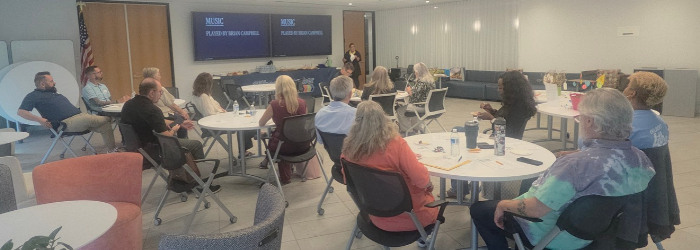
At our recent Harvesting Common Ground: A Season of Choice civic event, neighbors shared stories, reflected on community, explored the tradeoffs that shape our lives, and considered a simple but profound question: What are we willing to plant for the future? The conversations reminded us that the strongest communities are not built through agreement on every issue. They are built through stewardship, curiosity, and a shared commitment to caring for what comes next.
One lesson emerged repeatedly throughout the afternoon.
We are living in a harvest we did not plant.
The schools we attend, the parks we enjoy, the businesses we support, the traditions we celebrate, and the opportunities available to us today exist because someone, years or even generations ago, chose to invest in a future they might never personally experience. As participants reflected on the people, programs, and institutions that have positively impacted their lives, many recognized that the benefits they enjoy today are the result of someone else's courage, generosity, and long-term vision
That realization carries an important responsibility.
If we are beneficiaries of seeds planted by others, then we also have an obligation to become planters ourselves.
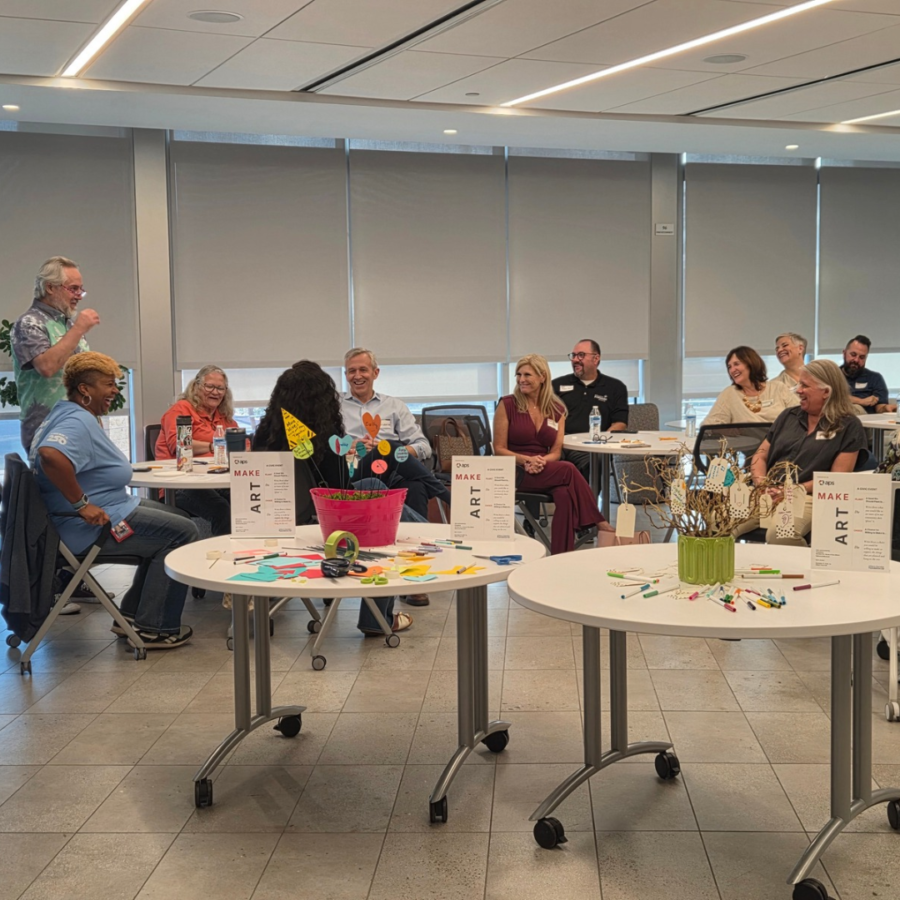
Too often, conversations about community begin with what is wrong. Yet healthy communities are sustained by people who move beyond identifying problems and begin cultivating possibilities. Civic leadership emerges when residents stop asking, "Who should fix this?" and start asking, "What can I contribute?"
That contribution may seem small. It may be volunteering, mentoring a young person, attending a public meeting, supporting a local nonprofit, introducing yourself to a neighbor, or simply listening to someone whose experiences differ from your own. But every significant harvest begins with small acts of stewardship.
One of the most meaningful conversations of the day centered on culture, tradition, and our connection to one another. It raised a question many communities wrestle with:
When does wearing cultural apparel become appreciation, and when does it become appropriation?
While individuals may answer that question differently, the discussion revealed an important distinction. Appreciation begins with respect. It seeks to learn, understand, honor, and celebrate. Appropriation occurs when cultural practices, symbols, or traditions are taken without context, relationship, or regard for the people from whom they came.
The conversation reminded participants that cultural traditions, like gardens, are living inheritances. They are gifts passed from generation to generation. Approaching them with humility and curiosity creates opportunities for connection. Approaching them carelessly risks overlooking the history and meaning they carry.
Perhaps the deeper lesson is that communities thrive when we replace assumptions with questions.
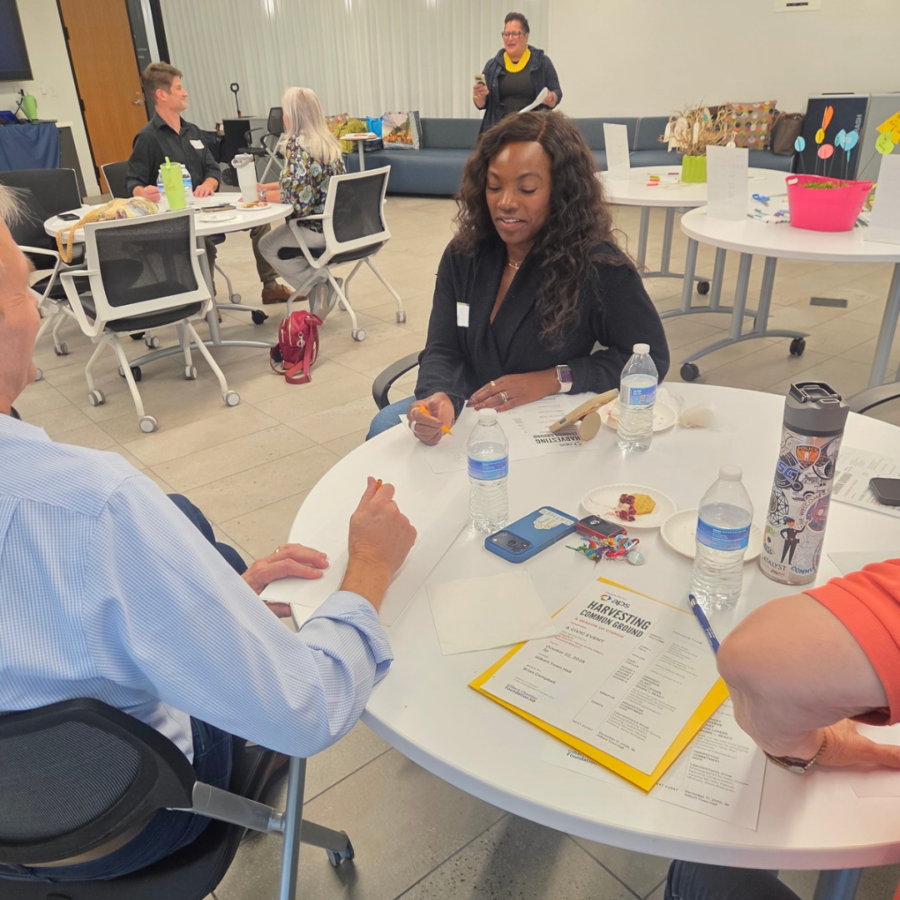
Throughout the event, participants took part in an exercise where they drew a partner without looking down at their paper. Most sketches were imperfect. That was the point. The activity challenged participants to stop striving for precision and instead focus on observation. It led to an important realization: the conversation that followed revealed far more about a person than the drawing ever could.
How often is that true in civic life?
We form opinions about people before we understand their stories. We assume we know their motivations before we've heard their experiences. Yet when we take time to see one another more clearly, common ground often appears where we least expect it.
As another election season approaches, that lesson feels especially relevant. Democracy is not simply about choosing sides. At its best, it is about making choices together regarding the future we hope to create. We may disagree on methods, priorities, or policies, but many of us share remarkably similar hopes: safe neighborhoods, thriving businesses, strong schools, meaningful relationships, and opportunities for future generations.
The challenge before us is not whether we care. The challenge is whether we are willing to act.
What should we preserve?
What should we harvest?
What should we plant next?
And perhaps most importantly:
What will future generations thank us for starting today?
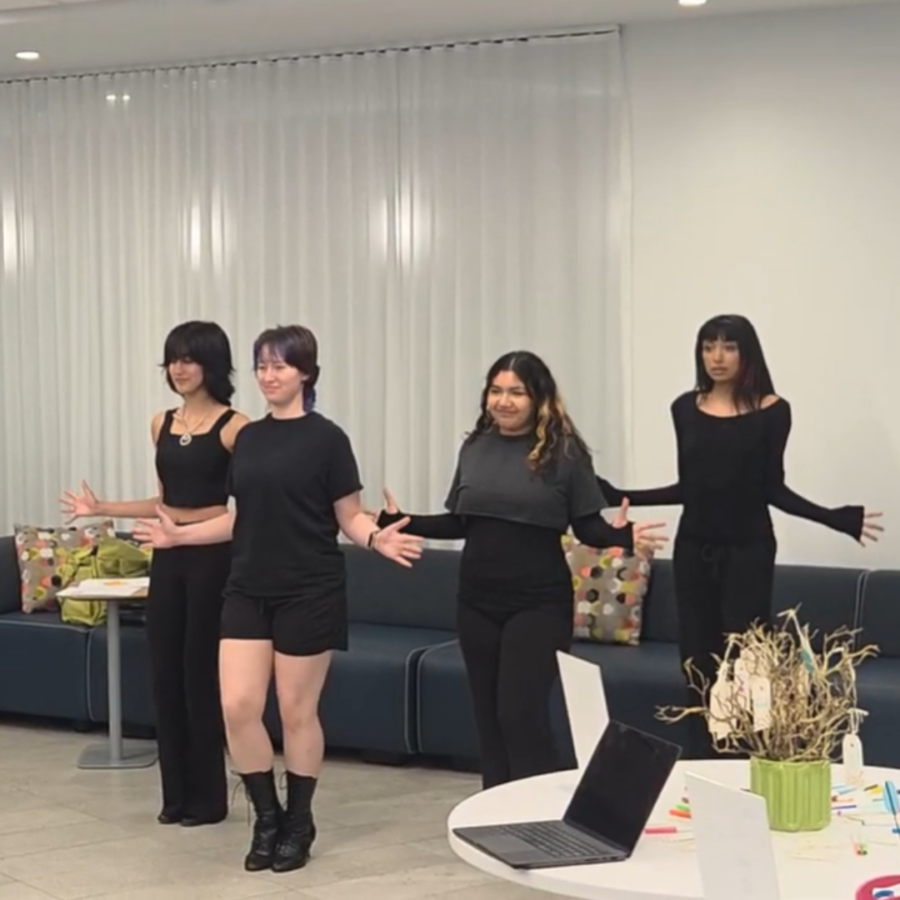
A harvest is never the result of a single season. Someone prepares the soil. Someone plants. Someone waters. Someone protects what is growing long before the harvest arrives.
The same is true of communities.
The choices we make today become the opportunities someone else inherits tomorrow.
May we honor the seeds others planted for us. May we approach one another with curiosity and respect. And may we have the courage to plant something worthwhile for those who are still to come.