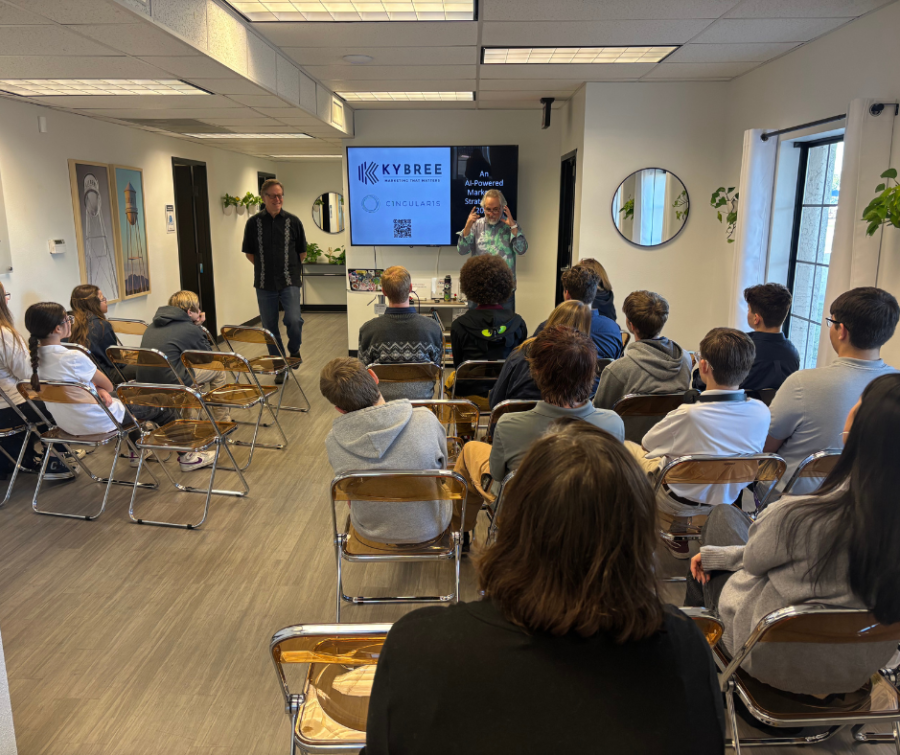
The CATALYST recently welcomed Ms. Andrea Scahill’s Business Academy students from American Leadership Academy Applied Technologies for an engaging, real-world learning experience centered on marketing, artificial intelligence, and entrepreneurship.
Ms. Scahill reached out to The CATALYST after learning about the workshop An AI-Powered Marketing Strategy for 2026: What 2025 Taught Us and Where to Focus in the New Year. Recognizing the relevance of this topic for students preparing for future careers in business and technology. Facilitators Kevin Schrandt of KYBREE and Stuart Preston of Cingularis agreed to deliver a customized session specifically tailored to the Business Academy.
The session was designed to meet students where they already are. Kevin and Stuart connected common ways students use AI today with how small business owners are leveraging AI to support marketing efforts, streamline workflows, and reduce administrative burden. By bridging classroom concepts with practical business applications, students gained insight into how AI is being used strategically—not as a replacement for people, but as a tool to enhance creativity and efficiency.
During the workshop, Kevin and Stuart shared key trends observed in marketing throughout 2025, emphasizing how the traditional “sales funnel” has evolved. Rather than a linear path, today’s customer journey more closely resembles a pinball machine—customers enter at different points, interact across multiple platforms, and move in unpredictable ways. With access to information everywhere, businesses must be prepared to engage customers wherever they show up. This concept resonated with students, who recognized similar patterns in their own digital behaviors.
A critical theme of the session was the importance of maintaining the human touch when using AI. Kevin and Stuart cautioned against what they referred to as “AI slop,” reinforcing that a business’ brand must come through clearly and consistently in all messaging. AI should support, not replace, authentic human voice and judgment. Stuart taught the students to "lead with their hearts, finish with their brains" to make AI work authentic. To make the lesson relatable, they drew parallels to schoolwork—encouraging students to be thoughtful in how they prompt AI, to carefully review outputs, and to ensure their own perspective and voice remain present. Customers, like teachers, can quickly tell when content feels overly automated or impersonal. Kevin reminded students to “keep being students all your life, not just school, by exploring, adapting, and being willing to change as AI and the market changes.”
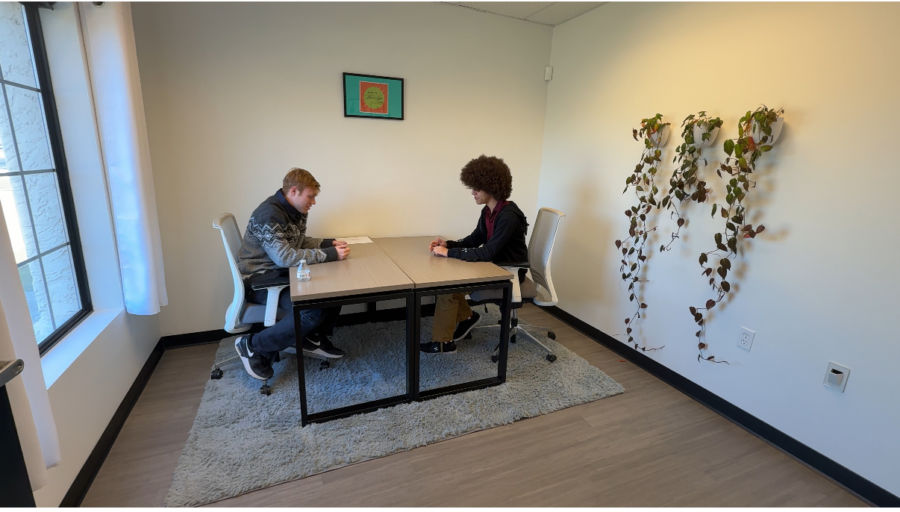
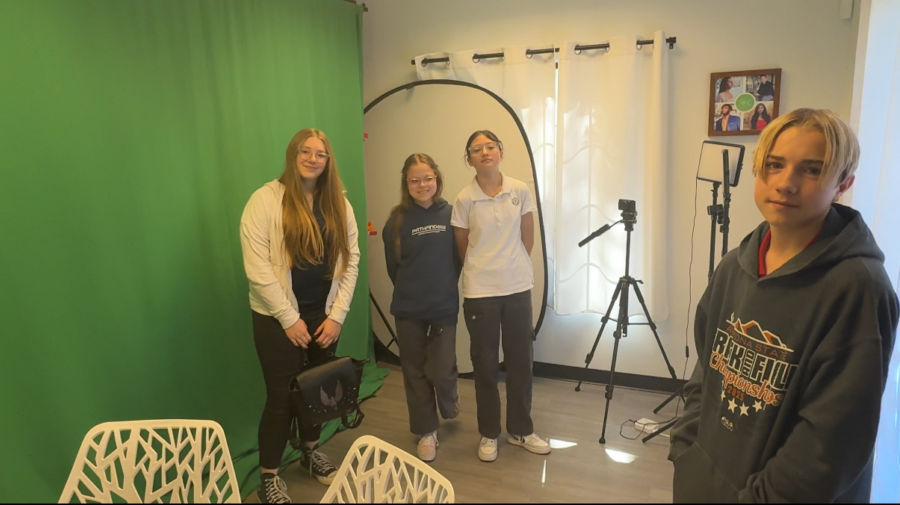
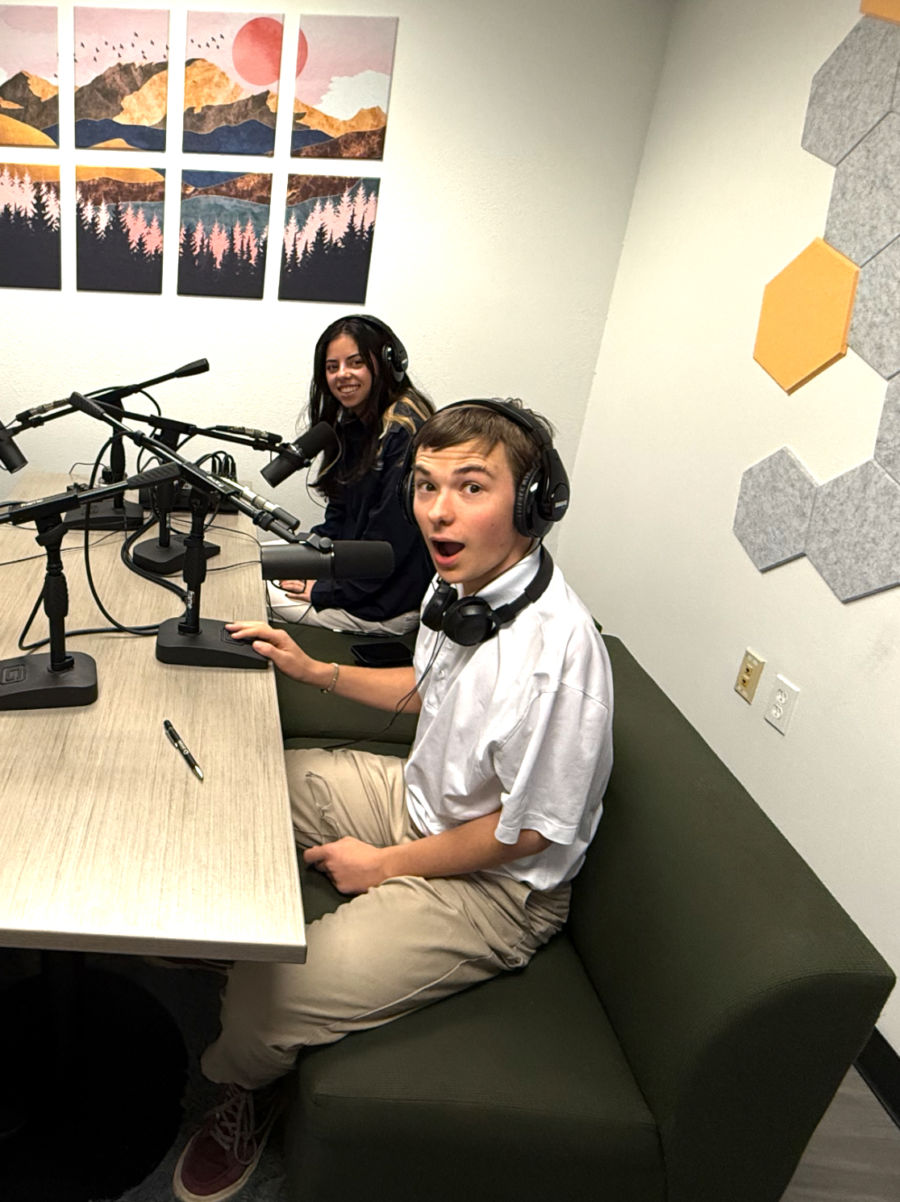
The visit concluded with a tour of The CATALYST, where students learned about the breadth of resources available to support entrepreneurs and small business owners. From ideation and startup to growth and eventual exit, The CATALYST serves as a comprehensive resource hub—connecting individuals to education, expertise, and community partnerships.
By welcoming students into The CATALYST, this experience demonstrated how classroom learning can translate into real-world application and highlighted the role The CATALYST plays in supporting the next generation of entrepreneurs, innovators, and business leaders.